The Metaverse
A New Era of Services
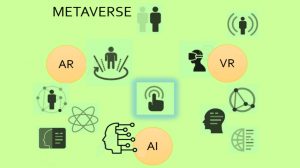
The Metaverse is an immersive virtual world where people can interact, work, learn, shop, and build solutions that challenge how we use technology today. It represents a shift from technology as a tool to technology as an environment.
The term *Metaverse* was coined by Neal Stephenson in his 1992 novel Snow Crash. In the book, people escape into a shared digital world through avatars — digital versions of themselves.
In simple terms, the **Metaverse** is a persistent digital space where individuals exist as avatars, interact with others, own digital objects, and participate in virtual economies. It is closely aligned with Web 3.0 and supported by technologies such as blockchain, NFTs, and cryptocurrencies.
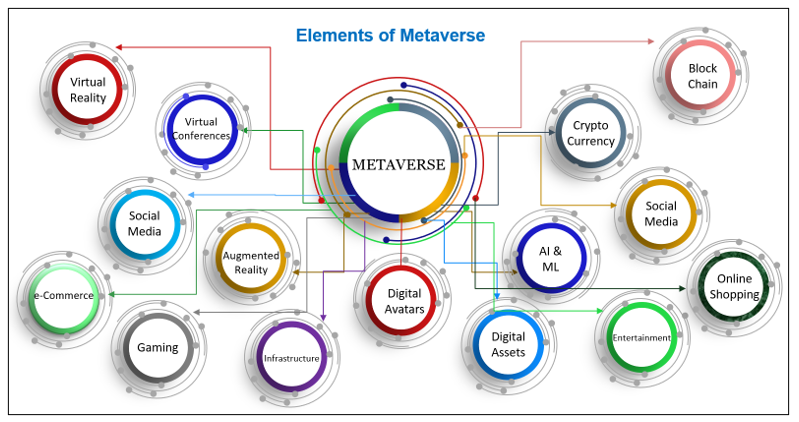
Core Elements of the Metaverse
- Digital currency
- Online shopping
- Workplace
- Social
- Digital Avatars
- AI agents
- Infrastructure
- Device independence
How the Metaverse Works
The Metaverse brings together Virtual Reality (VR) and Augmented Reality (AR) to form a shared, interactive digital space. Within this environment, the blockchain functions as a decentralized system of addresses and/or locations — defining identity, ownership, and presence. In this space, people can meet, collaborate, learn, transact, and entertain themselves, much like they do in the physical world.
As adoption grows, governments will need to adapt. In the future, all Persons may access public services, attend meetings, receive education, and engage in civic life directly through the Metaverse. Right now any Person can access Public Blockchians, such as Bitcoin or Ethereum, and many others.
Why Governments Should Care
The Metaverse offers a powerful way to deliver services that are:
- Always available (24/7/365)
- Location-independent
- Immersive and user-friendly
- Scalable
Potential Applications
The Metaverse could support public services across many sectors, including:
- Healthcare
- Agriculture
- Education
- Tourism
- Environmental protection
- Smart cities
- Social and political engagement
- Local governance
- Defense
- Libraries and museums
- Media
Looking Ahead
The Metaverse is a long-term, transformative shift. However, its success depends on major infrastructure and policy developments, including:
- High-speed networks (5G and beyond)
- AR/VR technologies
- AI and machine learning
- Blockchain systems
- Legal and regulatory frameworks
- Sustainable energy sources
With the right foundation, the Metaverse could become a cost-effective and inclusive platform for delivering human-centric, and machine run services at scale.